Introduction
Major all european countries have refused a request by Donald Trump to help reopen the Strait of Hormuz. Instead of sending warships, leaders are calling for diplomatic efforts. The issue matters because the strait is a key route for global oil supply.
European Countries Reject Military Role in Strait of Hormuz
european continent map Countries like Germany, United Kingdom, and Italy have clearly said they will not join military operations in the region.
German Chancellor Friedrich Merz stated that there was no joint decision to intervene, and Germany would not take part in any military action. Defence Minister Boris Pistorius also questioned the need for European naval involvement.
UK Prime Minister Keir Starmer said Britain would avoid being pulled into a wider war. However, he added that discussions are ongoing to find a workable solution with allies.
Italy’s Foreign Minister Antonio Tajani stressed that diplomacy must come first and ruled out expanding military missions.
Trump Pressures NATO Allies
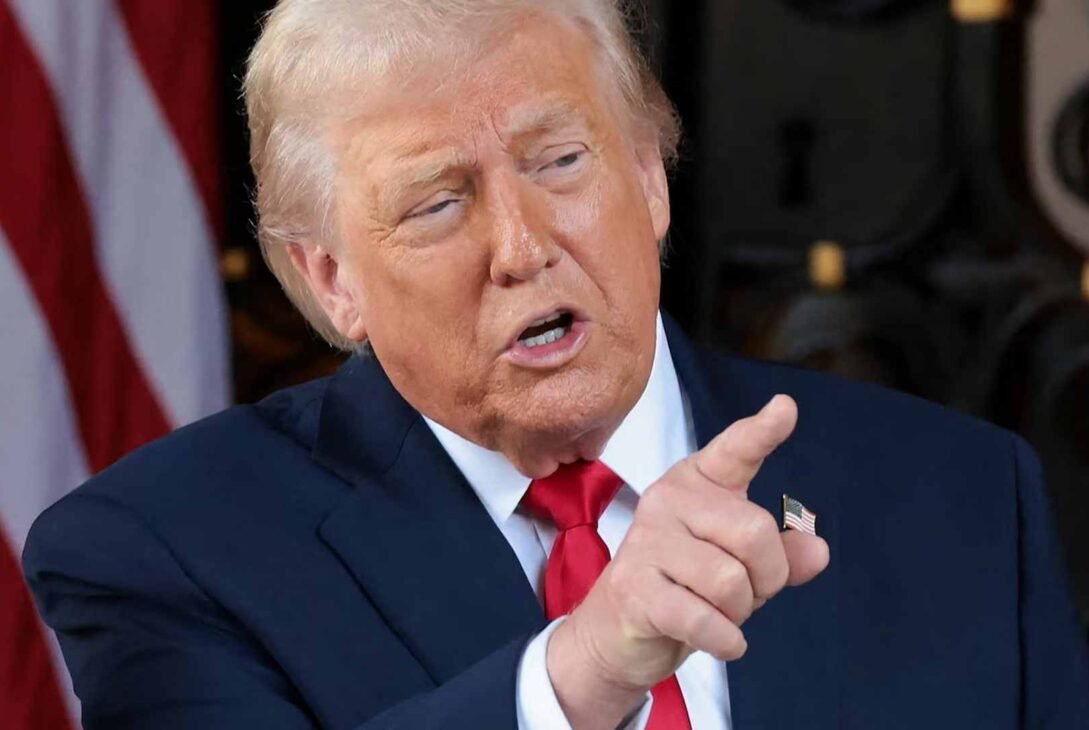
Donald Trump has urged allies to send ships to protect commercial vessels and reopen shipping routes. He warned that failure to act could harm the future of NATO.
Trump argued that countries benefiting from the strait should help secure it. However, several allies remain cautious and want more clarity on US strategy.
EU and Allies Prefer Diplomatic Approach
Eastern European Countries The European Union has shown little interest in expanding its current naval mission, Operation Aspides, to the Strait of Hormuz.
EU foreign policy chief Kaja Kallas confirmed that while strengthening current operations is possible, there is no support for changing the mission’s role.
Other countries, including France, Australia, and Japan, have also said they have no plans to send warships.
Rising Tensions in the Middle East
The situation is linked to the ongoing conflict involving Iran and Israel. Recent strikes and military actions have increased regional instability.
Iran has effectively blocked the Strait of Hormuz, a route that normally carries about 20% of the world’s oil and gas shipments. This has already affected global energy markets.
Incidents in the United Arab Emirates, including a drone attack near Fujairah port, and disruptions near Dubai, show how the conflict is spreading.
Why the Strait of Hormuz Matters
The Strait of Hormuz is one of the world’s most important energy routes. Around one-fifth of global oil passes through it daily.
Any disruption can:
- Raise global oil prices
- Affect fuel costs for consumers
- Disrupt international trade
- Increase geopolitical tensions
For countries like India and others that depend on oil imports, the impact can be significant.
Background: Ongoing Conflict and Global Concerns
The crisis follows recent military strikes involving the US and Israel targeting Iran. The conflict has expanded beyond initial operations and is now affecting multiple countries in the region.
European leaders have asked for clear goals from Washington before taking any major steps. Many fear that direct military involvement could lead to a larger war.
Conclusion: Uncertain Path Ahead
European countries are choosing diplomacy over military action, despite pressure from the United States. The focus remains on reopening the Strait of Hormuz without escalating the conflict.
The coming weeks will be critical. If tensions continue, global energy markets and international security could face further risks.