India US Trade Deal: Tariffs Cut to 18% After India-US Trade Agreement
This new agreement is expected to boost businesses, create jobs, and strengthen the strategic partnership between the two largest democracies in the world.
Key Highlights of the Deal
- Tariff Reduction: The US has agreed to cut import taxes (tariffs) on Indian goods from a high of 50% down to 18%.
- India’s Commitment: India will lower its own tariffs on American products, aiming for near-zero duties on specific items.
- Energy Shift: As part of the deal, India has agreed to reduce its purchase of Russian oil and increase energy imports from the US.
- Trade Goal: Both nations reaffirmed their goal to reach $500 billion in annual trade by 2030.
Trade relations between India and the US faced significant challenges in 2025. Tensions peaked when the US administration-imposed steep “reciprocal tariffs” of 25%, followed by an additional 25% penalty linked to India’s energy purchases from Russia. This resulted in a total tax burden of nearly 50% on Indian exporters.
Industries like textiles, gems and jewelry, and leather were hit hardest by these high costs. The India US free trade agreement talks had stalled, creating uncertainty for businesses in both countries.
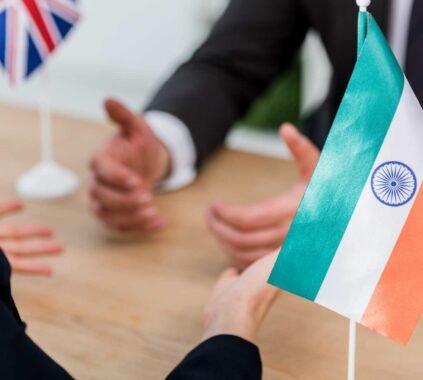
This week’s announcement marks a “strategic de-escalation.” By agreeing to the 18% rate, the US has removed the punitive taxes, offering immediate relief to Indian exporters. In return, India is opening its markets further to American energy, technology, and agriculture.
Latest Updates: What Experts Are Saying
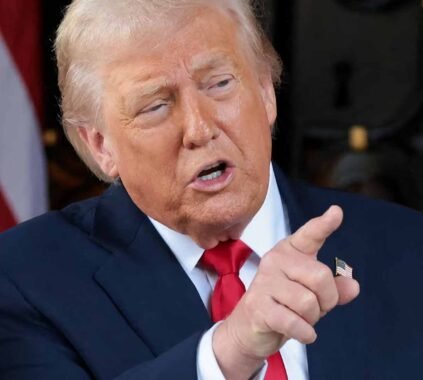
The deal was finalized following a phone call between Prime Minister Narendra Modi and US President Donald Trump.
- Official Statements: PM Modi welcomed the move, stating it would boost “Make in India” products. US officials highlighted that the deal levels the playing field for American workers.
- Market Reaction: Indian stock markets reacted positively. Shares in textile and jewelry companies rallied, anticipating higher exports to the US.
- Expert View: Trade analysts believe this agreement stabilizes the US India trade deal landscape. “This brings much-needed predictability for investors,” noted a senior trade economist in New Delhi.
1. Boost for Indian Exporters
The reduction in US tariffs from 50% to 18% is a lifeline for small and medium businesses. Sectors like apparel, handicrafts, and polished diamonds can now compete more effectively in the American market.
2. Cheaper Goods for Consumers
Lower tariffs often mean lower prices. Indian consumers may see cheaper American technology and agricultural products. Conversely, US buyers will pay less for Indian-made goods.
3. Geopolitical Strategy
The deal signals a shift in global alliances. By increasing energy trade with the US, India is diversifying its supply chains and reducing dependence on single markets. This strengthens the strategic bond between Washington and New Delhi in the Indo-Pacific region.
Conclusion and Future Outlook
The 2026 India US trade deal effectively presses the reset button on bilateral ties. While it is not a full-fledged India US free trade agreement (FTA) yet, it is a significant step forward.
Looking ahead, negotiators will focus on the finer details of the “zero tariff” commitments and energy contracts. If successful, this partnership could set the template for future global trade alliances.
Future Outlook:
- Watch for detailed announcements on specific sectors like defense and green technology.
- Expect increased business delegations traveling between New Delhi and Washington in the coming months.
Follow The Foreign Affairs on Google News and LinkedIn for credible analysis, expert insights, and in-depth reporting on geopolitics, diplomacy, global trade, economics, and world news. Stay informed with fact-driven perspectives and timely updates—only on The Foreign Affairs.