U.S. Orders Reopening of Venezuela Airspace After Dialogue with Acting President Rodríguez
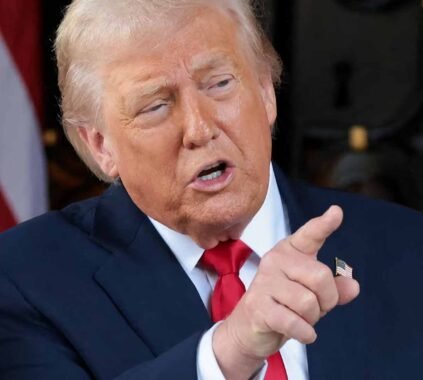
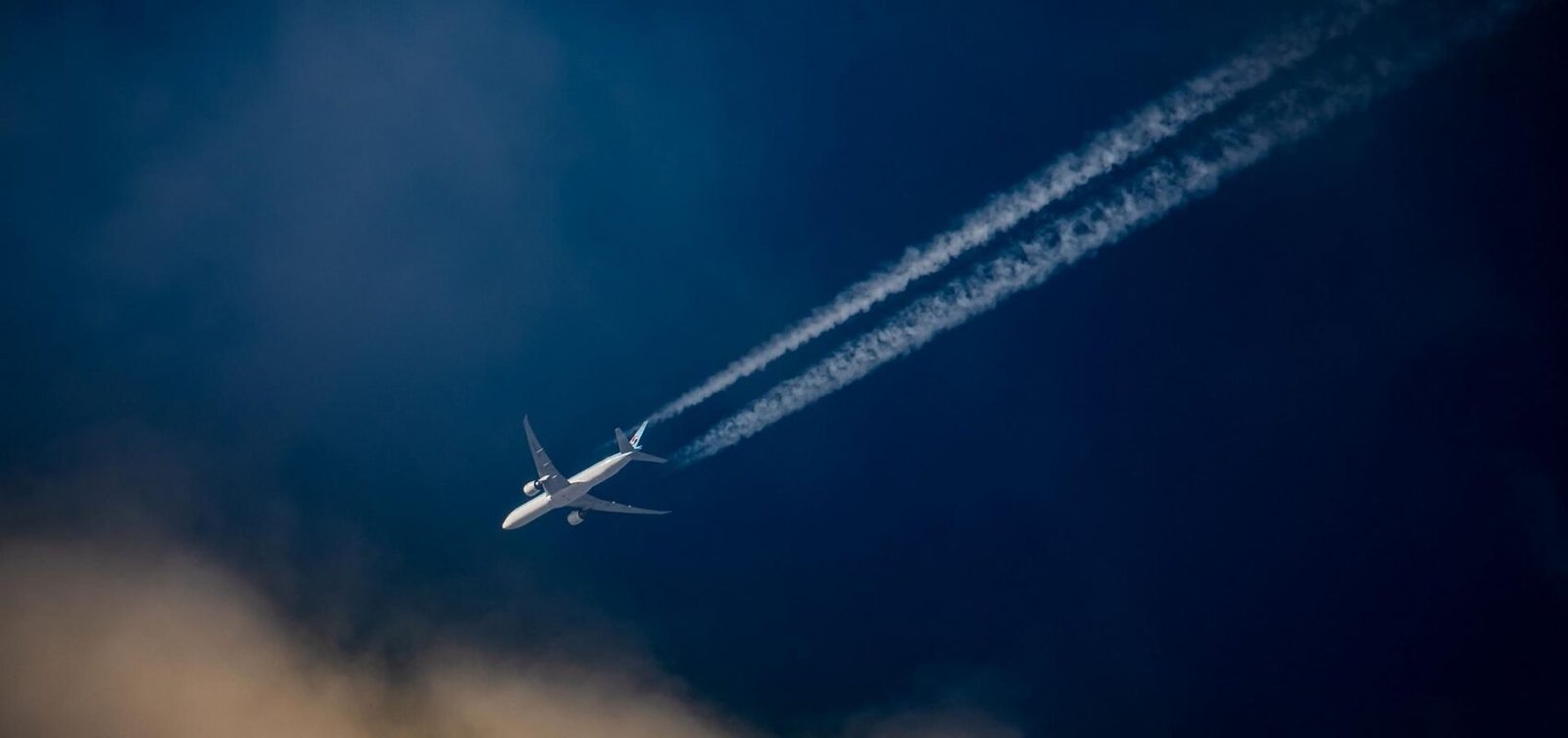
WASHINGTON, D.C. — In a notable shift in diplomatic and aviation policy, U.S. President Donald Trump has ordered the reopening of Venezuela airspace to commercial traffic, following a direct discussion with Venezuela’s acting President, Delcy Rodríguez. The announcement, made during a White House Cabinet meeting on January 29, 2026, signals a major development in U.S.–Venezuelan relations and is poised to impact international travel, economic ties, and regional geopolitics.
Strategic Reversal of Airspace Closure
For nearly a month, Venezuelan airspace had been effectively restricted to commercial flights after heightened tensions and U.S. military actions in early January 2026. This move followed Operation Southern Spear, a large-scale U.S. military operation that resulted in the removal of former President Nicolás Maduro, who has since been transferred to the U.S. to face charges.
President Trump stated that he informed Delcy Rodríguez of his decision to reopen Venezuela airspace, and that U.S. authorities—led by Transportation Secretary Sean Duffy and senior military officials—were directed to implement the changes immediately. The objective is to restore commercial flight operations by the end of the day.
This policy shift marks a clear departure from the longstanding suspension of flights dating back to 2019 and the subsequent partial restrictions imposed amid security concerns.
Implications for Travel and Safety
President Trump emphasized that American citizens will soon be able to travel safely to Venezuela, underscoring that the country’s airspace and ground conditions would be secure for travelers. While the U.S. State Department continues to list Venezuela under its highest “Do Not Travel” advisory due to risks that include wrongful detention and kidnapping, the reopening of airspace indicates improving conditions under the current interim government.
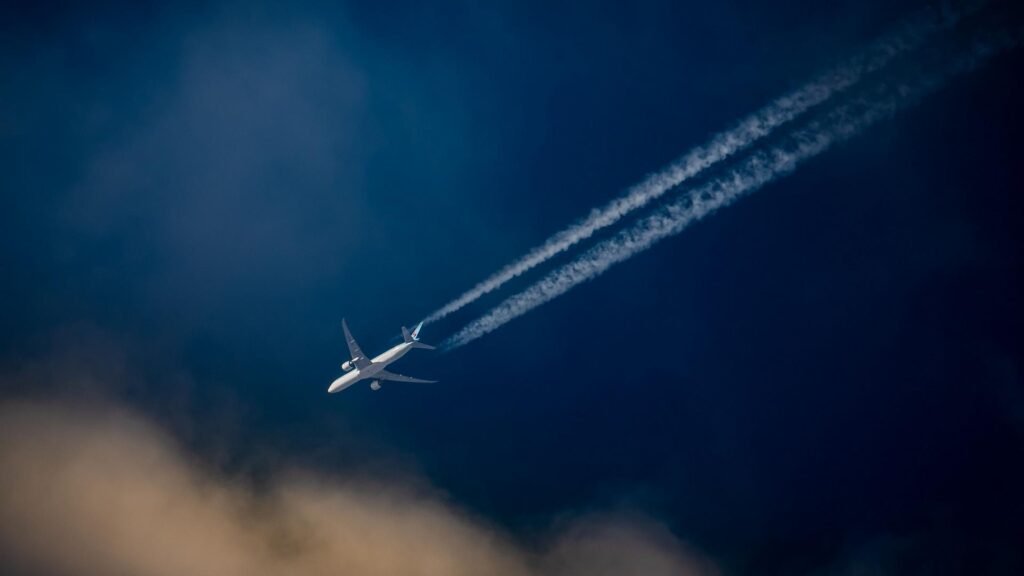
American carriers are already expressing interest in resuming routes. American Airlines, which last operated in Venezuela before service was suspended in 2019, has signaled plans to return pending regulatory approvals and safety assessments from U.S. aviation authorities.
Broader Regional and Economic Impact
The reopening of Venezuela airspace is not just a transportation decision—it also reflects broader strategic shifts. The Trump administration has begun preliminary steps toward restoring U.S.–Venezuela diplomatic relations, including potential phased reopening of the U.S. Embassy in Caracas.
Moreover, President Trump indicated that major U.S. oil companies are already scouting opportunities in Venezuela, highlighting the country’s significant energy resources and the potential for renewed investment. These developments suggest a concerted effort to integrate Venezuela more closely with global markets after years of political isolation.
What Comes Next
As commercial flights prepare to resume, both nations face complex logistical, regulatory, and security challenges. Aviation authorities must coordinate updated air traffic control systems, safety protocols, and international clearances before flight schedules can fully restart.
The decision to reopen Venezuela airspace represents a pivotal moment for bilateral relations, travel, and regional economies. How quickly airlines and travelers reengage with Venezuelan destinations remains dependent on ongoing security assessments and diplomatic developments.
Follow The Foreign Affairs on Google News and LinkedIn for credible analysis, expert insights, and in-depth reporting on geopolitics, diplomacy, global trade, economics, and world news. Stay informed with fact-driven perspectives and timely updates—only on The Foreign Affairs.