What Is Geopolitics? A Complete Beginner’s Guide (2026)
Introduction
What is geopolitics, and why does it matter more than ever in today’s world?
Geopolitics refers to how geography, power, and politics influence global relationships between countries. In 2026, geopolitics is not just about governments—it directly affects businesses, economies, and even your daily life. From trade wars to global supply chains, understanding geopolitics helps you make smarter decisions in an increasingly interconnected world.
What Is Geopolitics?
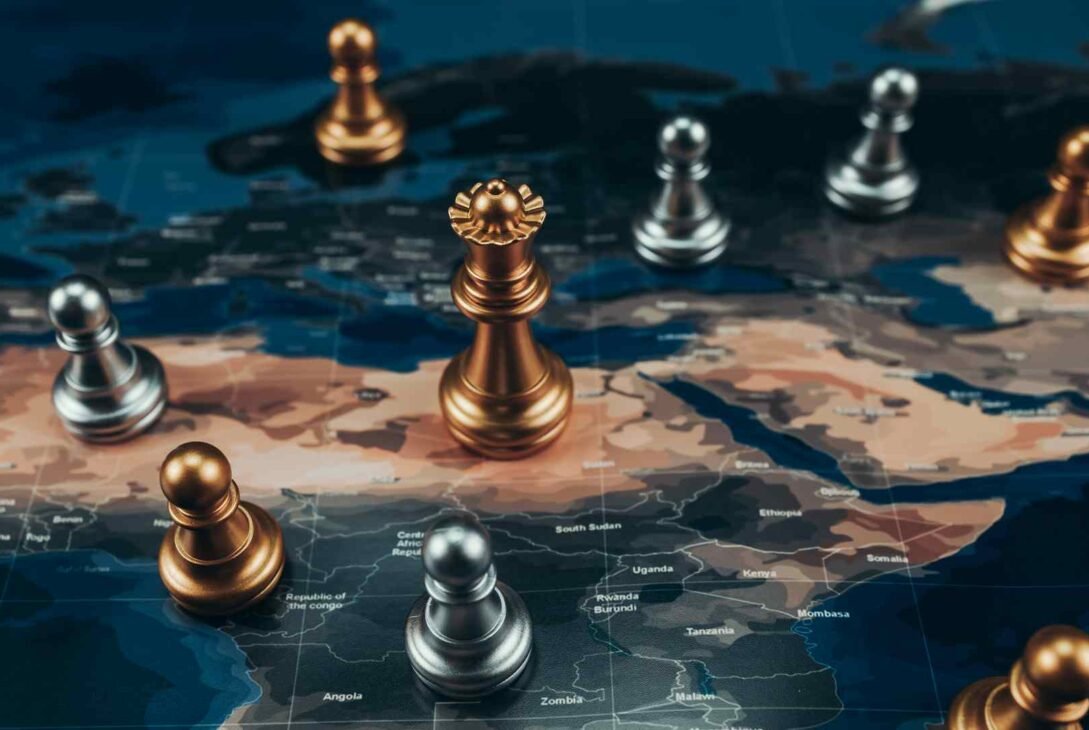
Geopolitics is the study of how countries use their geographical position, resources, and political power to influence global affairs.
It combines:
- Geography (location, natural resources)
- Politics (government decisions)
- Economics (trade, markets)
For example, a country rich in oil has more influence in global energy markets. Similarly, countries located near major trade routes often become economic hubs.
Why Geopolitics Matters Today
Geopolitics is shaping the modern world faster than ever before.
1. Global Power Shifts
The balance of power is changing. Emerging economies are challenging traditional superpowers, creating new alliances and tensions.
2. Trade and Economy
International trade policies, tariffs, and sanctions directly impact global markets and businesses.
3. Technology and Control
Countries are now competing in areas like artificial intelligence, cybersecurity, and data control.
4. Supply Chains
Global disruptions—from conflicts to pandemics—affect how products move around the world.
Real-World Examples of Geopolitics
US–China Rivalry
One of the biggest geopolitical stories today is the competition between the United States and China. This affects global trade, technology, and investment.
Russia–Ukraine Conflict
This conflict has reshaped global energy markets and influenced political alliances worldwide.
Middle East Dynamics
Oil politics and regional tensions continue to play a crucial role in global stability.
How Geopolitics Affects Business and Economy
Geopolitics is not just for policymakers—it’s critical for entrepreneurs and businesses.
1. Market Opportunities
When countries impose restrictions, new markets open elsewhere. Smart businesses adapt quickly.
2. Risk Management
Political instability can disrupt supply chains, currency value, and operations.
3. Investment Decisions
Global tensions influence stock markets, commodities, and foreign investments.
4. Export & Import Business
Trade agreements and sanctions directly impact exporters and importers.
👉 Example: If tariffs increase between two countries, businesses may shift manufacturing to another region.
The Future of Geopolitics (2026 and Beyond)
The future of geopolitics will be shaped by several key trends:
1. Rise of Multipolar World
Instead of one dominant superpower, multiple countries will share influence.
2. AI and Technological Power
Artificial intelligence will become a major tool for global dominance.
3. Economic Nationalism
Countries will focus more on self-reliance and local production.
4. Climate Geopolitics
Resources like water, energy, and food will drive future conflicts and cooperation.
Key Takeaways
- Geopolitics is the interaction of geography, politics, and global power
- It affects economies, businesses, and everyday life
- Global conflicts and trade policies shape markets
- Entrepreneurs must understand geopolitical risks and opportunities
- The future will be driven by technology, multiple power centers, and resource competition
FAQs
What is geopolitics in simple terms?
Geopolitics is how countries use their power, location, and resources to influence global affairs.
Why is geopolitics important?
It impacts global trade, business decisions, economic stability, and international relations.
How does geopolitics affect business?
It influences supply chains, market access, trade policies, and investment opportunities.
Is geopolitics relevant for entrepreneurs?
Yes, understanding geopolitics helps entrepreneurs identify risks and global opportunities.
Conclusion
Geopolitics is no longer a topic limited to world leaders—it is a powerful force shaping economies, businesses, and the future of global society.
As the world becomes more interconnected, understanding geopolitics gives you a strategic advantage—whether you’re an entrepreneur, investor, or simply someone trying to make sense of global events.
In the next article, we’ll break down how geopolitics directly impacts your business and investment decisions.